



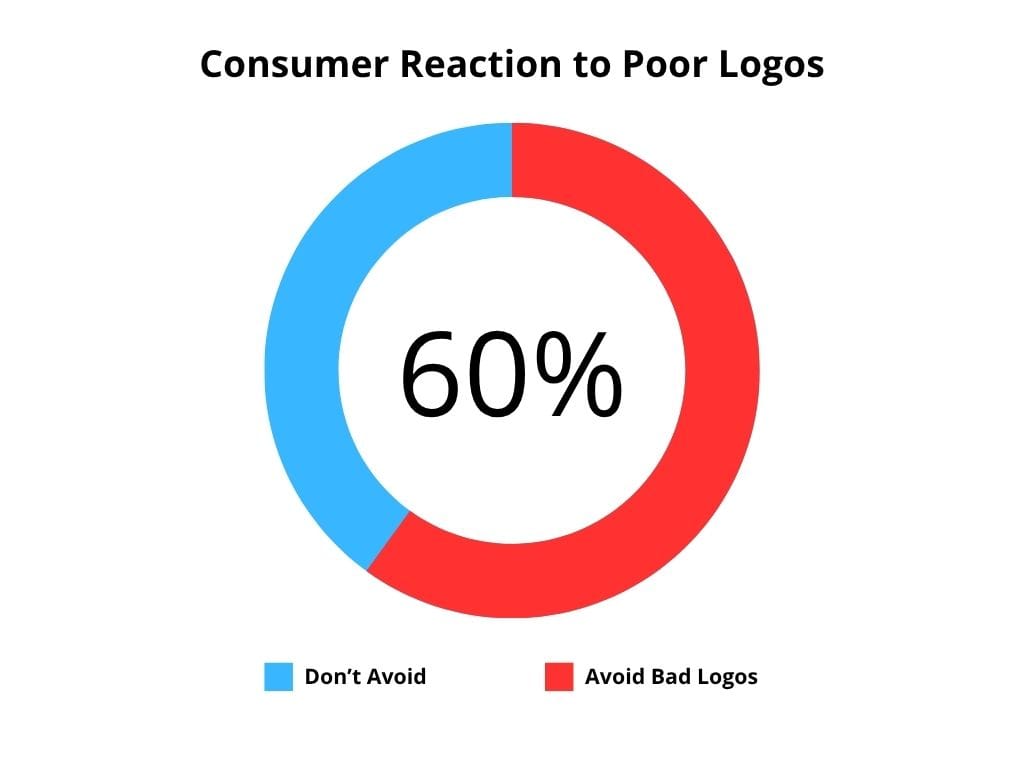
Six out of ten people will walk away from your business because of your logo.
Not your prices. Not your reviews. Your logo. A 2020 study reported by Study Finds found that 60% of consumers avoid businesses with odd or unappealing logos, even when the reviews are good.
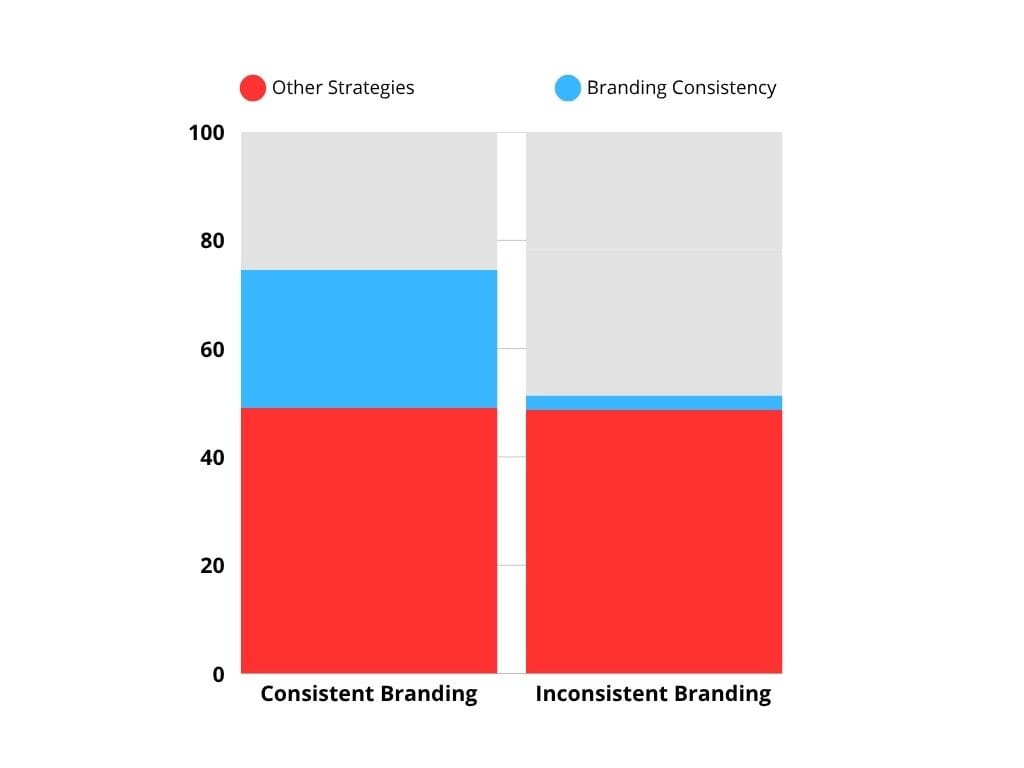
Meanwhile, Lucidpress found that businesses with consistent branding pull in around 23% more revenue.
Running a small business is a big job, right? Between the day-to-day, chasing new customers, and keeping the ones you have, small business branding usually sits near the bottom of the list. And that’s exactly where it quietly starts costing you.
The good news? You don’t have to reinvent anything. Two of the most recognizable companies on earth already worked this out, and the rules they follow won’t cost you a cent to copy.
Why Small Business Branding Matters More Than You Think
If you still treat your logo and colors as decoration, it might be time to reconsider.
Small business branding is really just how customers perceive you. The look, the tone, the feeling they walk away with. And for a small business, that perception often decides whether someone walks in, clicks, or keeps scrolling.
Now, a quick heads up about a stat you’ve probably seen floating around. You may have read that half of small businesses fail within five years because of bad branding. The 50% part is true, according to Bureau of Labor Statistics data. The branding part isn’t.
SCORE found cash flow problems contribute to 82% of small business failures. CB Insights puts “no market need” at the top of the list, at 42%. Branding doesn’t make that list at all.
So let’s be honest about what branding actually does. It won’t save a business nobody wants. But it absolutely decides whether the right people find you, trust you, and pick you over someone charging less. No small business branding company should promise you more than that.
That’s still worth getting right. And the two companies below have been getting it right for thirty years.
Rule 1: Pick a Logo and Stop Touching It
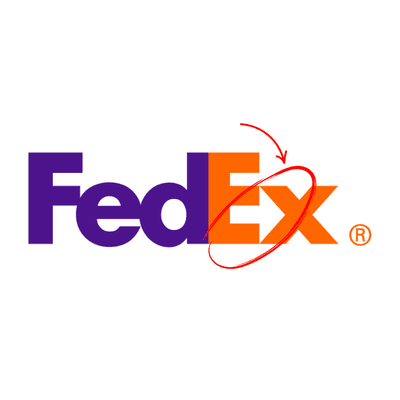
FedEx has not meaningfully changed its logo since 1994.
Think about that. Thirty years of new design trends, new CEOs, new marketing directors, and countless agencies who would have loved to pitch them a refresh. They didn’t budge.
Clean typography, smart use of negative space (did you spot the arrow between the E and the x?), and color they simply never mess with. Now it’s one of the most recognized marks on the planet.
For a delivery company, trust is the whole product. Customers need to believe their package shows up safely. That unchanging identity reinforces the promise everywhere, from the side of the truck to the tracking page.
Here’s the part worth stealing: FedEx got there by doing nothing. No redesigns. No trend-chasing. Just three decades of staying put.
That’s the most underrated move in small business branding, and it costs exactly zero.
What you can do:
- Commit to the logo you already have. Recognition builds up over time, and every redesign quietly resets it to zero.
- Write a one-page style guide. Just your fonts, colors, and basic logo rules. That one document keeps your printer, your freelancer, and your own Canva files in line.
- Resist the urge to redesign. Bored of your logo? That’s usually a good sign. Your customers are only just starting to remember it.
FedEx built recognition by holding still. The second rule is about holding onto something even smaller.
Rule 2: Own Your Colors, Like McDonald’s Does
You can spot a McDonald’s from a moving car before you read a single word.
That’s not an accident. Red and yellow are two colors long tied to appetite and attention, and McDonald’s leaned into that harder than anyone.
Here’s the disciplined part. Their packaging changes. Their signage changes. Their app has been redesigned more times than anyone can count. Those two colors never move.
Research from Loyola University Maryland found consistent color use can lift brand recognition by up to 80%. McDonald’s has been quietly proving that for decades, from a distance, at 40 miles an hour.
What you can do:
- Lock in a primary palette. Two or three main colors plus a neutral is plenty. Write the hex codes down somewhere you’ll actually find them again.
- Use them everywhere. Storefront, menus, packaging, social posts, invoices, website. Same short list every time.
- Stop switching. Changing colors often erases the recognition you spent months building.
Read this: Color Theory Class Every Small Business Needss
Where Small Business Branding Usually Goes Wrong
Let’s face it. Small business owners wear a lot of hats. Design probably isn’t your strong suit, and the flood of advice online doesn’t exactly help.
Be honest, how many of these sound familiar?
- You picked something trendy instead of something timeless
- You’re using more fonts and colors than you can name
- You’ve redesigned the logo at least once in the past two years
- You’ve never written down a single brand rule
- Your Instagram and your packaging look like two different businesses
If you nodded at two or more, you’re in good company. Most small businesses land there.
None of it comes from carelessness. It comes from not having a system. And that system is the real difference between branding that compounds and branding that just exists. It’s also the first thing any decent small business branding service will build for you.
So let’s build one.
Your Solution: Small Business Branding That Sticks
You don’t need a fifty-page brand book. You need three things, and you can define all of them this afternoon.
- Visual identity. Your logo, colors, typography, and image style. The stuff people notice first.
- Brand voice. How you sound. Friendly, bold, calm, quirky. Pick one and stay in character.
- Consistency. Apply both of those everywhere, from your Instagram grid to your invoices.
That’s it. That’s the whole thing.
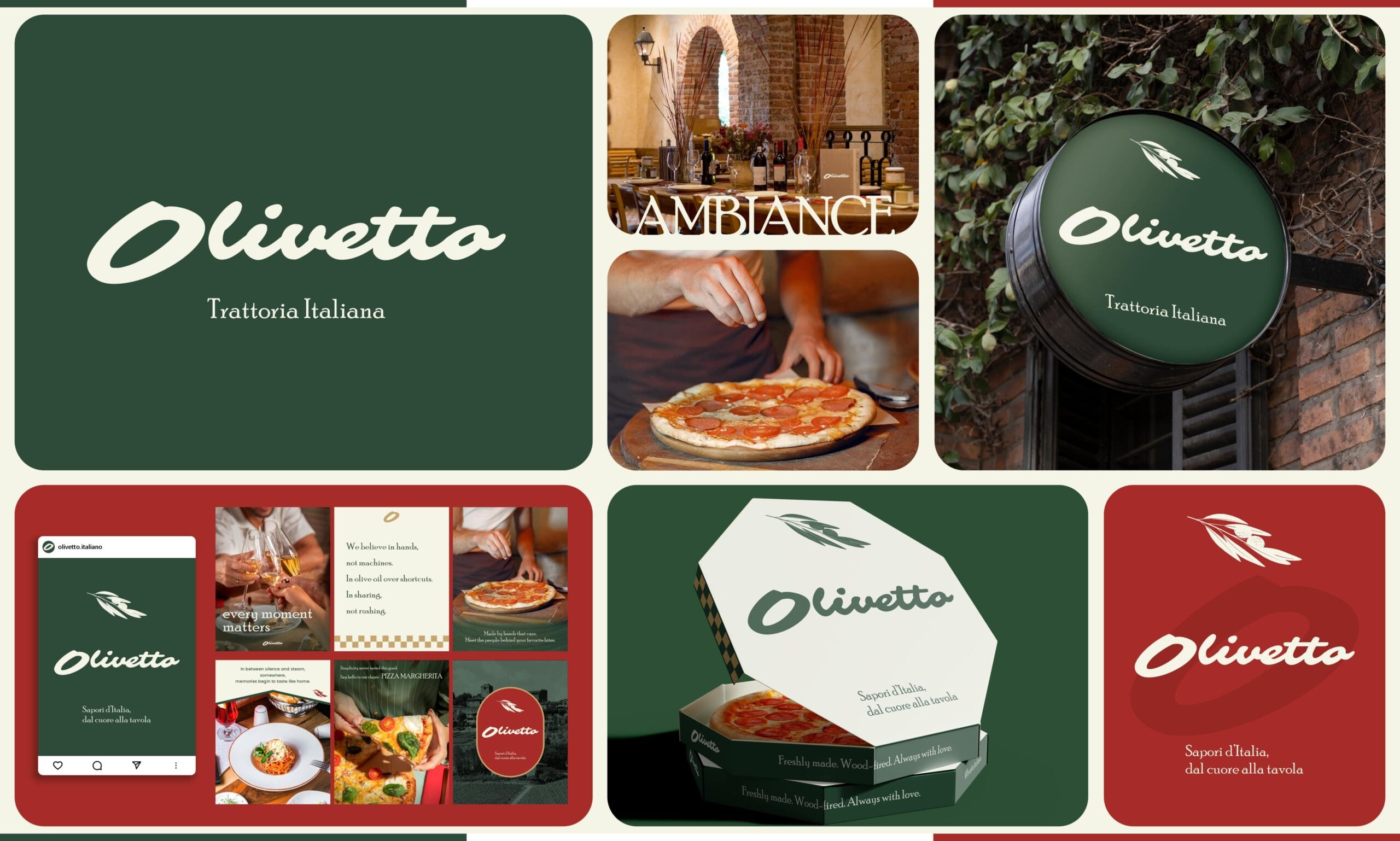
Get those three right and you’re already ahead of most of your competition. FedEx and McDonald’s just happen to run the same playbook at enormous scale, with a marketing budget the size of a small country.
You don’t need one. You need to pick your look and stop wandering.
Build a Brand That Feels Like You
AWhether you run a food truck, a boutique gym, or sell handmade candles, your brand isn’t just a logo. It’s the first chapter of your story, and it’s the part customers read before they decide anything else about you.
You don’t need to look like McDonald’s. You need to look like you, on your best day, every day.
Both rules in this article are free. Pick your logo and leave it alone. Pick your colors and use them everywhere. Do that this week and you’ll be further along than most of your competition, without spending anything.
There does come a point where doing it all yourself starts slowing you down. That’s usually when small business branding services are worth paying for. Not because the free rules stopped working, but because your time is better spent running the business.
At Koalart Creative, we’ve helped small restaurants, local gyms, pet shops, wellness spas, and independent product brands build branding that holds together everywhere it shows up. Logo and brand identity, packaging, menus, social media kits, and the guidelines that keep it all consistent.
Read this: Your Secret Weapon: A Branding Agency for Small Business
Key Takeaways]
- Rule 1: pick a logo and leave it alone. FedEx hasn’t changed theirs since 1994, and that’s the point.
- Rule 2: own a small color palette and use it everywhere, the way McDonald’s does with red and yellow.
- Both rules cost nothing. Discipline is the only investment.
- Consistent branding is linked to roughly 23% higher revenue (Lucidpress).
- 60% of consumers avoid businesses with unappealing logos, even with good reviews (Study Finds, 2020).
- Small business branding rests on three pillars: visual identity, brand voice, and consistency.
- Branding won’t fix a broken business model, but it decides who finds you and who trusts you.



[…] Read this: Steal These Small Business Branding Secrets from FedEx & McDonald’s […]