



Why You Need the Right Marketing Strategies for Restaurants
Running a successful restaurant isn’t just about great food. It’s about reaching the right customers with the right message, at the right time. With over 749,000 restaurants competing in the U.S. as of 2024, standing out has never been harder. (Source: Restroworks) That’s exactly why smart marketing strategies for restaurants are no longer optional. They’re how you survive, grow, and build a place people return to.
This guide is for restaurant owners, café founders, and food truck operators who want practical, proven ways to attract more diners and keep them loyal. Below are ten strategies you can start applying today, none of which require a big agency or a giant budget. We’ll count down from ten to one, ending with the single habit that separates thriving restaurants from struggling ones.
The Real Challenge: Standing Out in a Crowded Market
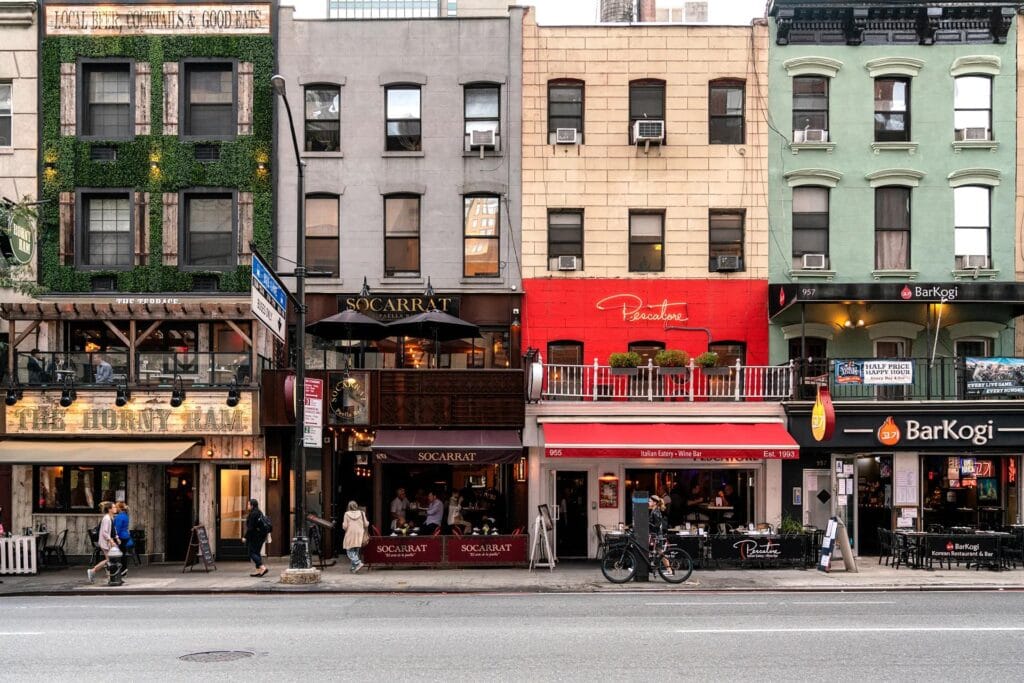
First, let’s be honest about what you’re actually up against. The biggest threats to most restaurants aren’t a lack of cooking talent. They’re a lack of visibility and weak customer engagement. You could serve the best plate of pasta in your city, but if nobody can find you online, it won’t fill your tables.
Diners also expect more than they used to. They want an experience, not just a meal, from Instagram-worthy plates to seamless online ordering and quick replies to their reviews. On top of that, big chains and third-party delivery apps like Uber Eats and DoorDash dominate both search results and advertising budgets, which makes it tougher for independent restaurants to compete on visibility alone.
Here’s the encouraging part, though. The old myth that “90% of restaurants fail in their first year” simply isn’t true. A UC Berkeley study found the real first-year failure rate is around 17%, and roughly half of all restaurants survive well past the five-year mark. (Source: Eat App, citing UC Berkeley) The difference between the restaurants that thrive and the ones that quietly close usually comes down to two things: consistent marketing and genuine customer connection. Master a few of these marketing strategies for restaurants, and you tilt those odds in your favor.
10. Build a Strong Online Presence
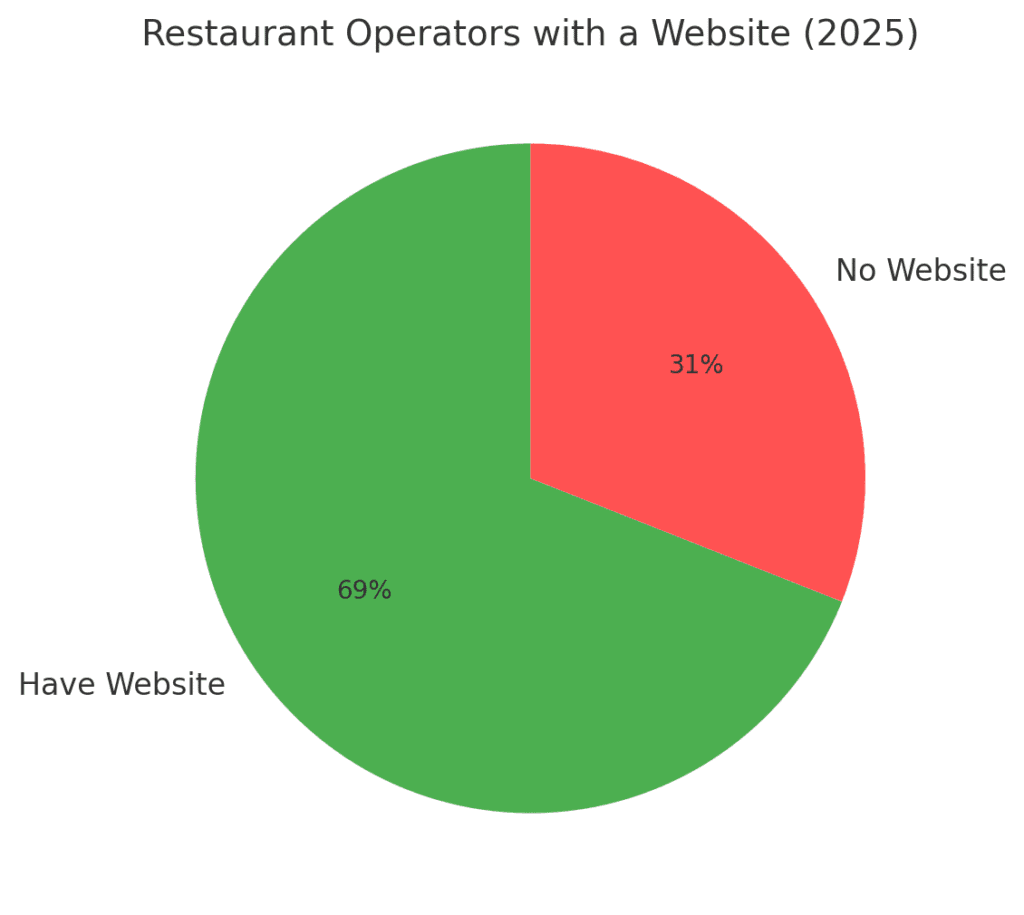
Building a strong online presence is one of the most effective marketing strategies for restaurants. Your website is your restaurant’s digital storefront, and the cornerstone of any digital marketing efforts. For most new customers, it’s the very first impression you make. A clean, mobile-friendly site makes it easy for people to find you, browse your menu, and place an order without friction. This matters more than ever, because over 60% of Google searches now happen on mobile devices, often from someone deciding where to eat in the next hour. (Source: Statista)
- Create a Professional Website:
You don’t need to know how to code. Platforms like Wix, Squarespace, WordPress, and Shopify all offer restaurant-ready templates you can customize in an afternoon. Each one suits a slightly different need:- Wix is best for drag-and-drop simplicity and design flexibility.
- Squarespace shines for clean, visually striking, minimalist layouts.
- WordPress is ideal if you want advanced customization and serious SEO control.
- Shopify works best if you also sell merchandise or packaged food online.
- Optimize for Local SEO:
This is how you show up when someone nearby searches for a place to eat. To rank in local results:- Use natural location keywords like “best Italian restaurant in [your city]” or “top-rated sushi near me” throughout your pages.
- Keep your name, address, and phone number (NAP) identical everywhere they appear online.
- Embed a Google Map on your contact page so customers can find you instantly.
- Add descriptive alt text to your food photos so search engines understand them.
- Set Up Google My Business:
This free profile is one of the highest-impact moves in local restaurant marketing, since it puts you directly on Google Search and Google Maps. Here’s exactly how to claim it:- Go to Google My Business and click “Manage Now.”
- Sign in with your Google account, then search for your restaurant’s name.
- If your restaurant isn’t listed yet, click “Add Your Business to Google.”
- Select the most accurate business category, such as “Italian Restaurant” or “Coffee Shop.”
- Enter your restaurant’s name, address, phone number, and website URL.
- Complete the verification step using the code Google sends by mail, phone, or email.
Tips
- If you build on WordPress, plugins like Restaurant Reservations, WP Customer Reviews, and Yoast SEO add powerful features for free.
- Consider adding a blog. Articles like “5 Low-Calorie Dishes on Our Menu” or “Meet the Chef Behind Our Secret Sauce” quietly pull in search traffic month after month.
9. Use Social Media to Connect With Customers

Social media is where your restaurant’s personality comes alive, and it’s become an essential restaurant marketing strategy because it’s where diners decide where to spend their money. In fact, 44% of Gen Z diners discover restaurant promotions and coupons through social platforms. (Source: Bluedot) If you’re not showing up in their feed, you’re invisible to a whole generation of customers.
- Choose the Right Platforms:
You don’t need to be everywhere. Focus on Instagram, Facebook, and TikTok, where visual, food-forward content performs best. Pick one or two you can actually keep up with rather than spreading yourself thin across five.
- Maximize Social Media Content:
- Post Consistently:
Share food photos, behind-the-scenes videos, and customer testimonials 3-5 times per week to keep your audience engaged. - Use Hashtags:
Include relevant hashtags like #Foodie, #[City]Eats, and #[Cuisine]Lovers to reach a wider audience. - Run Contests:
Host giveaways like “Tag a friend to win a free meal” to boost engagement and attract new followers.
- Post Consistently:
Tips
- Partnering with a local food influencer can put you in front of a large, trusting audience fast. Even a micro-influencer with a few thousand engaged local followers often drives more real visits than a generic paid ad.
- When you are ready to spend, targeted Facebook and Instagram ads let you reach exactly the neighborhoods and age groups you want.
8. Offer Loyalty and Referral Programs
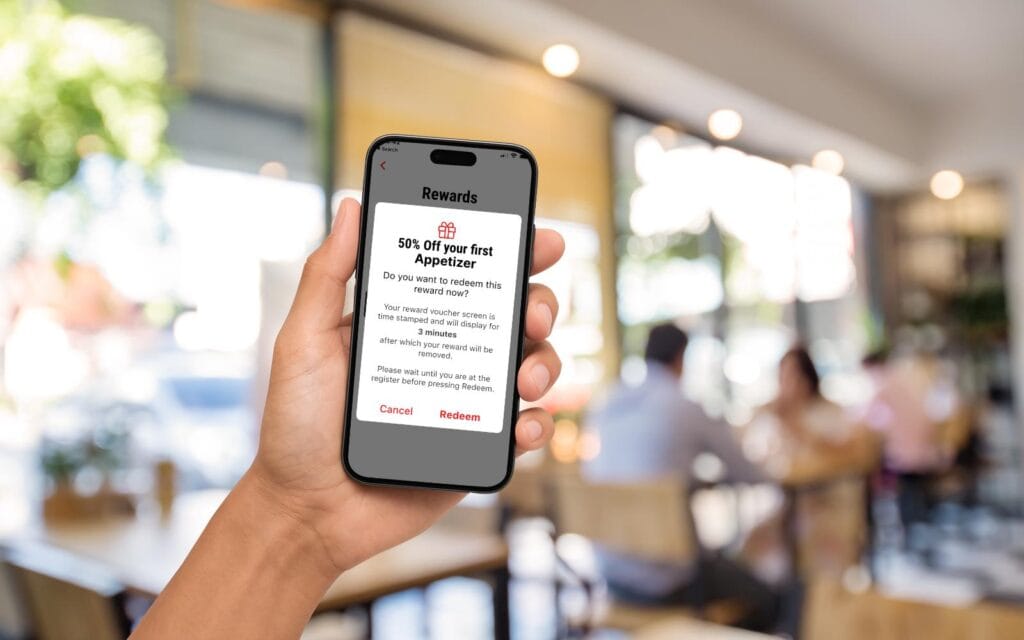
Source: LINK
Keeping a customer is dramatically cheaper than finding a new one, and your regulars are where the real profit lives. Returning customers can account for up to 65% of a restaurant’s revenue, which makes retention one of the smartest marketing strategies for restaurants you can invest in. (Source: Firework) Customer retention like this is also free advertising: a satisfied regular who tells a friend is worth more than any ad you could buy.
- Set up a loyalty program:
- Choose a Platform:
Use a platform like Loyverse, Stamp Me, or Toast that integrates cleanly with your POS system. - Set Up Rewards:
Offer points for every visit that customers can redeem for discounts or free items. - Promote the Program:
Advertise your loyalty program on receipts, social media, and in-store signage.
- Choose a Platform:
- Add a referral program:
- Choose Your Incentives:
A successful referral program rewards both the referrer and the referee. Consider these incentive options:- Discounts (e.g., “Get 10% off your next meal for every friend you refer”)
- Free items (e.g., “Refer a friend and get a free dessert or drink”)
- Loyalty points (if your restaurant has a loyalty program)
- Exclusive experiences (e.g., “Refer 5 friends and get a free chef’s special meal”)
- Decide on the Referral Methods:
Pick a referral method that fits your setup, whether that’s digital codes, shareable links, or printed cards for dine-in guests. - Promote the Program:
Your referral program will only be effective if people know about it. Use various promotional strategies:- In-store signage
- Social media marketing
- Email marketing
- Website pop-ups and banners
- Word of mouth from staff
- Choose Your Incentives:
Tips
- For loyalty programs, Toast is a great choice for restaurants that want seamless integration with their POS system, offering customizable rewards and a mobile-friendly interface.
- For referral programs, ReferralCandy simplifies the process by automating referrals and offering customizable incentives, making it a strong choice for restaurants with online ordering.
7. Host Events and Promotions to Create Buzz

Great food gets people through the door once. A memorable event gets them talking, posting, and coming back. As far as marketing tactics for restaurants go, events and limited-time promotions are some of the most effective, because they give people a reason to choose you this week, not someday.
- Organize Themed Nights:
Organize recurring themed nights, like trivia, live music, or a cooking class, that build a rhythm your regulars look forward to. These restaurant promotion ideas cost little but create real anticipation. - Offer Specials:
Run limited-time specials such as “Taco Tuesdays” or a “Weekend Brunch” deal that creates a standing habit. - Promote Your Events:
Promote everything across social media, your website, and email so no one misses it.
Tips
- Build a signature event that becomes part of your identity. A pizzeria might host a monthly “Dough-Throwing Championship,” while a steakhouse could run “Butcher’s Table” nights with live demonstrations.
- Wrap it in a social media content arc: tease it beforehand with chef interviews and prep videos, cover it live as it happens, and post warm thank-you photos of guests afterward. That three-part story keeps your event working long after the night ends.
6. Partner with Delivery Apps to Expand Your Reach
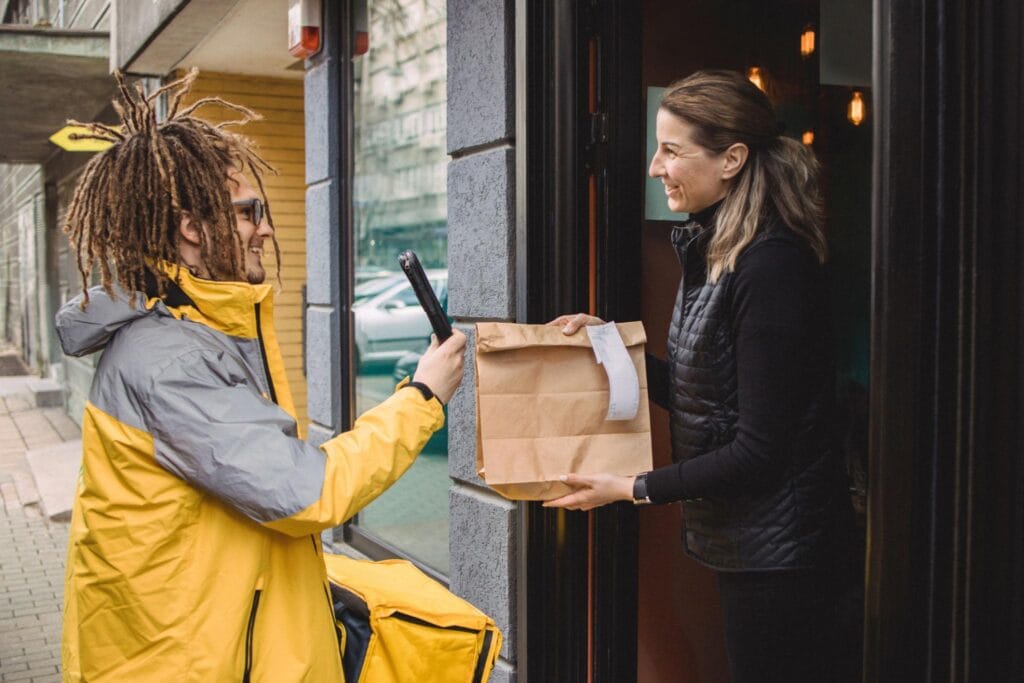
More diners than ever prefer ordering in, so meeting them where they already are expands your customer base without needing a bigger dining room. Among modern restaurant marketing ideas, delivery partnerships stand out because they put your restaurant in front of people who might never walk past your storefront.
- Sign Up for Platforms:
List your restaurant on Uber Eats, DoorDash, or Grubhub. - Offer Exclusive Deals:
Provide discounts for app users to attract new customers. - Include Promotional Materials:
Add flyers in delivery orders promoting your website or loyalty program.
Tips
- Not all apps are equal. DoorDash tends to dominate suburban markets, while Uber Eats often performs better in urban centers, so research what your neighbors actually use.
- Watch the commission fees closely, too, since they typically run 15% to 30% per order. Many restaurants quietly build a slightly higher delivery menu price to protect their margins.
- During rush hours, a tablet stand that organizes all your delivery devices in one spot helps your kitchen avoid missed orders.
5. Encourage Customer Reviews to Build Trust
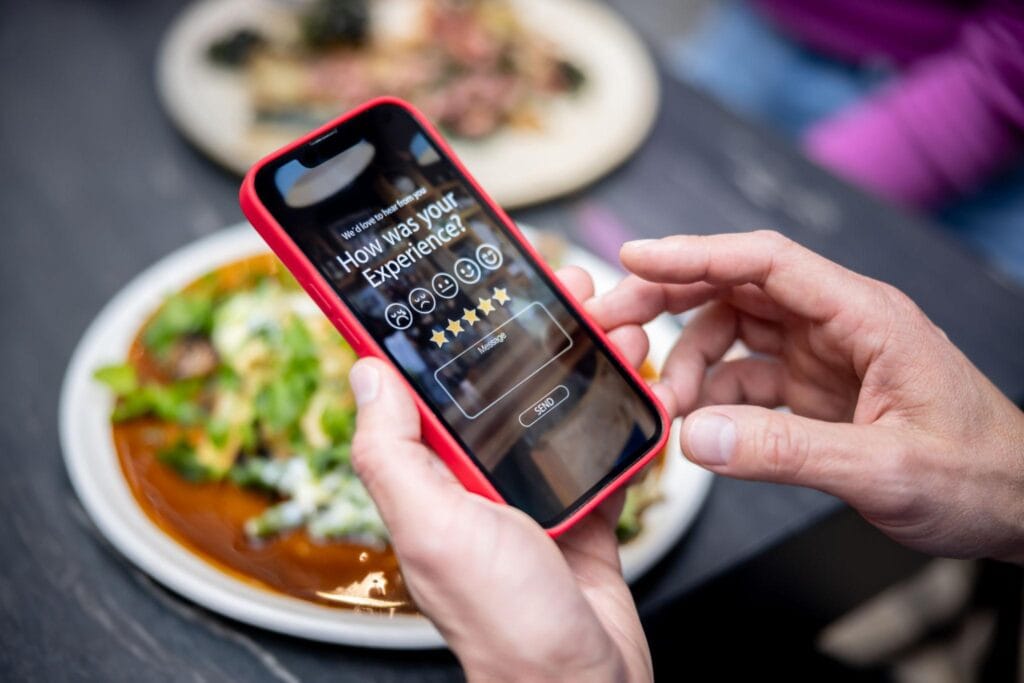
Online reviews are the modern version of word-of-mouth, and they directly shape whether a stranger chooses you over the restaurant next door. Around 92% of diners read reviews before deciding where to eat. (Source: Restroworks) The goal isn’t to chase stars for vanity. It’s to earn genuine trust that turns browsers into diners.
- Creating a Review-Worthy Customer Experience:
No amount of asking fixes a forgettable visit, so build moments worth writing about:- Personalize service by remembering regulars’ names and usual orders.
- Create “wow” moments, like a signature plating or a complimentary bite for first-timers.
- Have a recovery plan ready, because a sincere apology with dessert on the house can turn a bad night into a glowing review.
- Respond to every review, good or bad:
Replying shows future customers you actually care:- For 5-star reviews:
- Go beyond “Thank you!” with specific callouts:
- “Maria, we’re thrilled you loved the truffle gnocchi! Chef sources those mushrooms locally every Thursday. Can’t wait to serve you again soon!”
- For 3-4 star reviews:
- Acknowledge and improve:
- “John, we appreciate your feedback about wait times. We’ve added more weekend staff to address this, hope you’ll give us another chance to impress you.”
- For 1-2 star reviews:
- Take the conversation offline quickly:
- “Sarah, we’re truly sorry your anniversary dinner didn’t meet expectations. Our manager would love to discuss how we can make it right, please email [address].”
- For 5-star reviews:
- Multi-Channel Review Generation:
Diversify your review portfolio across platforms to maximize visibility:- Google My Business (critical for local SEO).
- Yelp (still influential despite restaurant owner frustrations).
- Facebook (great for community-building).
- Industry-specific platforms (TheFork for European markets, Zomato in Asia).
Tips
- For takeout and delivery, slip a small card into the bag, ideally signed by the chef or manager, with a QR code linking straight to your Google review page. That tiny personal touch turns a transaction into something people genuinely want to write about.
- For negative reviews (which are inevitable), implement a gold-standard response protocol. Train managers to respond promptly, professionally, and personally to all critical feedback.
4. Use Email Marketing to Stay Connected

Email is one of the most cost-effective channels you have, mostly because you own the list. No algorithm decides who sees your message. Of all the ways to market your restaurant, email gives you the most control, because it’s a direct line to people who already like your restaurant and want to hear from you.
- Build your list:
Collect emails through natural touchpoints:- Train staff to politely ask for an email during reservations.
- Offer a free appetizer in exchange for a website or in-store signup.
- Add a simple pop-up on your site that appears after someone views your menu.
- Choosing the Right Email Platform:
Select an email service provider that caters to restaurants:- Platforms like Mailchimp or Constant Contact offer F&B-specific templates.
- Look for automation features like birthday emails and customer segmentation.
- Ensure integration with your reservation system.
- Crafting Monthly Newsletters:
Include valuable content beyond promotions:- Seasonal menu highlights with behind-the-scenes content.
- Staff and chef spotlights.
- Local community events you’re involved in.
- Customer photo features.
- Occasional menu preference surveys.
Tips
- A restaurant CRM like SevenRooms or Toast can connect email directly to your POS data, so you can see who actually visits after an email and what they order. That lets you send genuinely targeted follow-ups, like a wine pairing to your steak lovers or a dessert deal to guests who tend to skip it.
- Structure your newsletters using the “inverted pyramid” approach: Start with your most time-sensitive offer, followed by engaging content, ending with your call-to-action.
3. Invest in Professional Visuals
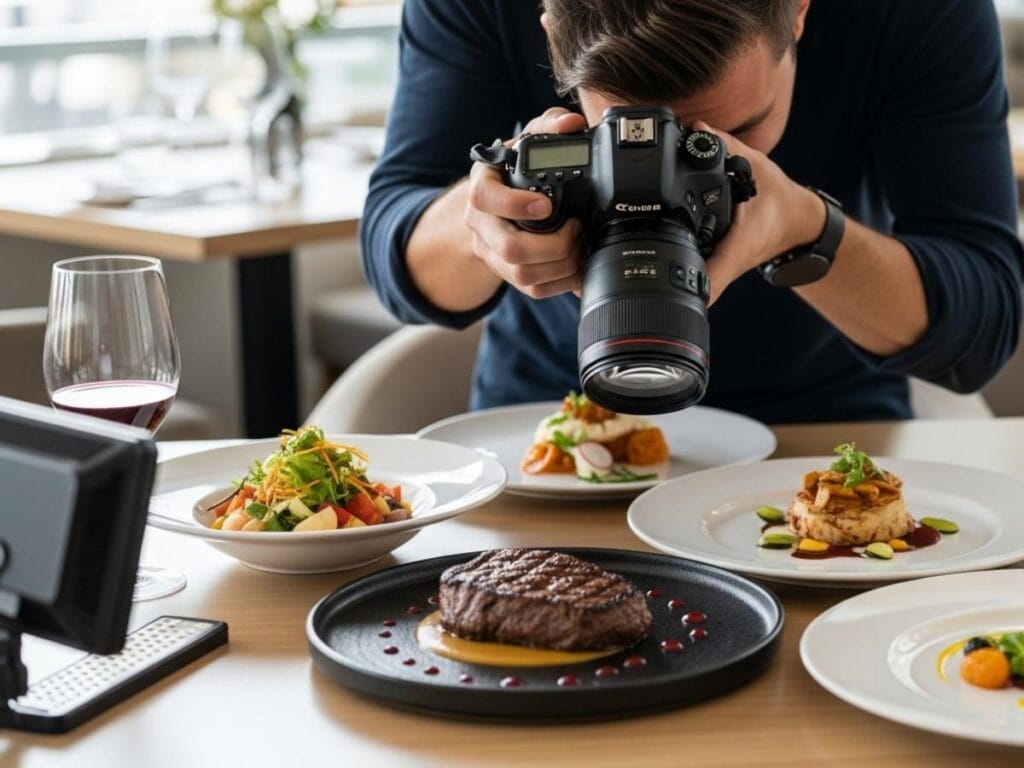
People eat with their eyes first, and the data backs it up. Posts with high-quality visuals receive 94% more views than text-only content. (Source: MDG Advertising) When it comes to marketing strategies for restaurants, strong visuals are non-negotiable, since blurry phone photos quietly turn hungry scrollers into people who keep scrolling past you.
- Hire a Photographer:
Hire a food photographer who understands lighting, angles, and styling to make your dishes look irresistible.
- Create Engaging Content:
Work with a graphic designer to create branded templates for menus, social posts, and ads.
- Post Videos:
Post short video content, like food prep or genuine customer reactions, on TikTok and Instagram Reels.
Tips
- A good photographer is an investment, not an expense. A single strong photo shoot gives you months of social content, menu images, and ad creative.
- Pair that with a designer who builds you reusable branded templates, and you’ll save hours every week while keeping your whole look consistent and polished.
2. Create a Memorable Brand to Stand Out
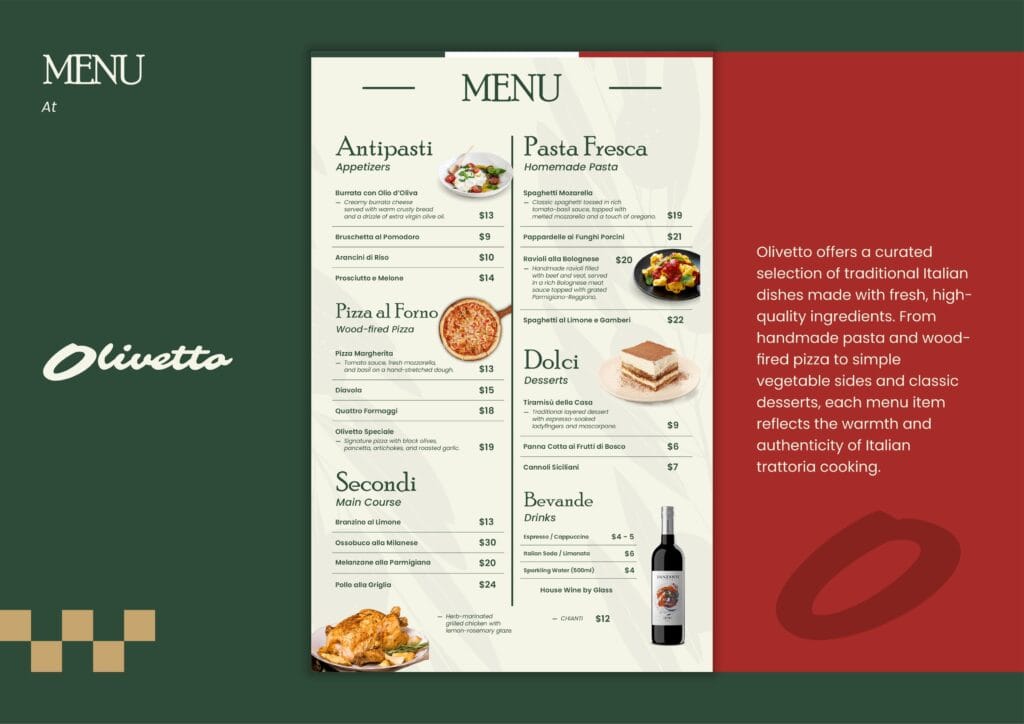
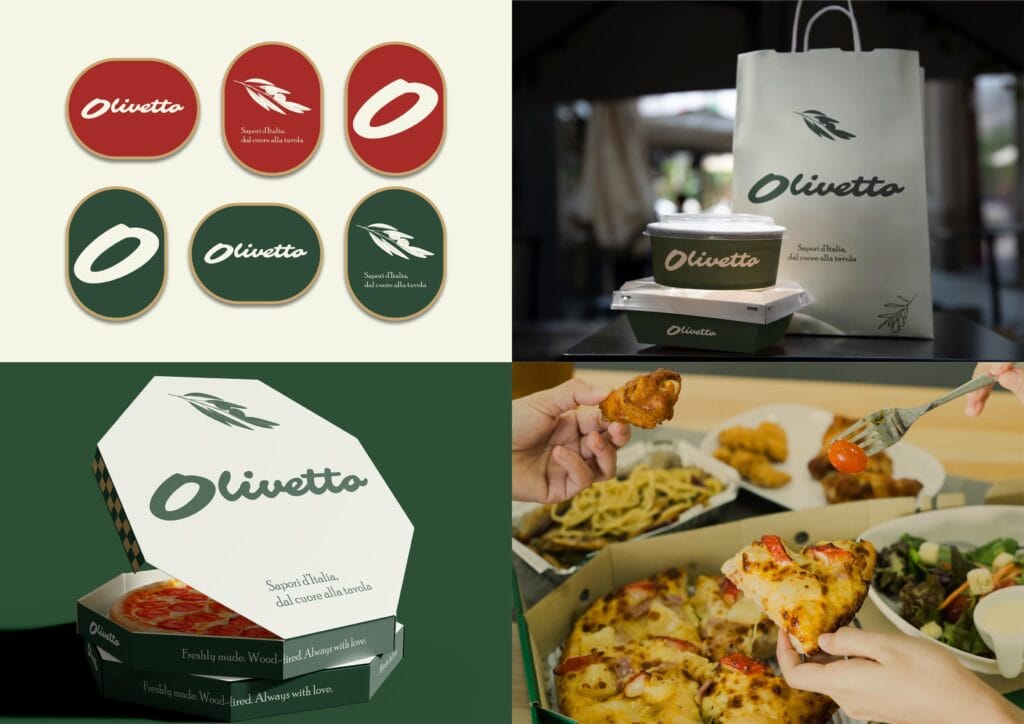
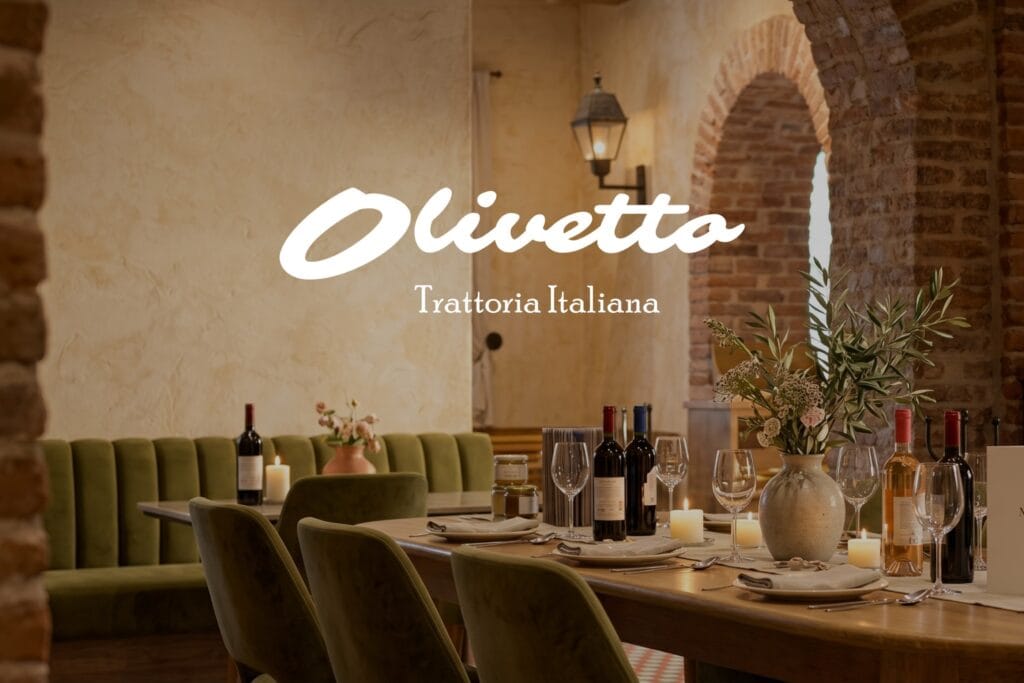
Your brand is far more than a logo. It’s the entire experience customers associate with your restaurant, and in a crowded market, it’s one of your most valuable assets. This is where many restaurants quietly lose ground, and where professional design pays off the most.
- Develop a Strategic Brand Identity:
- Design a distinctive logo that reflects your cuisine and atmosphere.
- A curated color palette (food-friendly colors increase appetite by 15%).
- Custom typography that matches your restaurant’s personality.
- Stay consistent across every touchpoint:
- Menus (both physical and digital versions).
- Social media templates for consistent posting.
- Packaging and takeout materials.
- Signage and interior decor elements.
- Staff uniforms and merchandise.
- Tell a compelling brand story:
Professional designers help articulate your unique selling points- Heritage (“Family recipes since 1985”).
- Chef’s philosophy (“Farm-to-table ingredients”).
- Cultural inspiration (“Authentic Neapolitan techniques”).
- Visual storytelling through custom illustrations or photography style.
Tips
- Your logo deserves real professional attention, not a generic online generator. An experienced restaurant designer knows how to weave in subtle culinary cues while keeping the mark versatile enough to look great on a tiny phone screen and a giant exterior sign alike. A branding agency like Koalart Creative can pull your logo, colors, menus, and packaging into one cohesive identity, so your restaurant looks as good as the food tastes.
1. Monitor and Adjust Your Marketing Strategies for Restaurants

Finally, here’s the habit that truly separates thriving restaurants from struggling ones: tracking what works and adjusting. When you’re figuring out how to market a restaurant effectively, this is the part most owners skip. Marketing isn’t “set it and forget it.” The best operators treat it as an ongoing experiment, keeping what delivers and cutting what doesn’t.
- Establish Key Performance Indicators (KPIs):
Decide which numbers actually matter for your goals:- Customer Acquisition: Website traffic sources, cost per lead, reservation conversion rates.
- Engagement: Social media interaction rates, email open/click-through rates.
- Revenue Impact: Average order value, customer lifetime value, ROI per channel.
- Operational Metrics: Table turnover rates, peak hour conversions.
- Track everything:
- Google Analytics 4 for website behavior analysis.
- UTM parameters for all digital campaigns.
- POS system integration with marketing data.
- Customer relationship management (CRM) software to track guest journeys.
Tips
- Your staff are the living embodiment of your brand, so invest in their training, not just your ads. A team that understands why your restaurant exists delivers the kind of service that earns reviews and repeat visits.
- Partnering with complementary local businesses, like a nearby winery or theater, is another low-cost way to reach new audiences who already fit your vibe.
Key Takeaways
- Strong marketing strategies for restaurants matter more than ever in a market with 749,000+ competitors.
- A mobile-friendly website and a verified Google My Business profile are the foundation of getting found.
- Loyalty and referral programs are the cheapest way to grow, since regulars drive up to 65% of revenue.
- Professional visuals and consistent branding directly influence whether diners choose you.
- Track your results every month and adjust, because the restaurants that measure are the ones that grow.
Quick Comparison: Which Restaurant Marketing Strategy to Start With
Not every tactic fits every restaurant, and you don’t have to do all ten at once. Use this table to match each marketing strategy for restaurants to your current goal, so you can pick the one that moves the needle fastest for your situation.
| Strategy | Best For | Effort | Cost | Start Here If… |
|---|---|---|---|---|
| Website + Local SEO | Getting found on Google | Medium | Low | You want people to find you online. |
| Social Media | Reaching younger diners | Ongoing | Low | You have great food but low awareness |
| Loyalty & Referrals | Repeat revenue | Low | Low | You get first visits but few returns |
| Delivery Apps | Expanding reach | Low | Medium | You have kitchen capacity to spare |
| Professional Branding | Long-term standout | One-time | Medium | Your brand doesn’t stand out from the competition, feels inconsistent and outdated |
| Reviews | Building trust fast | Low | Free | New customers hesitate to try you |
If you’re just starting out, the highest-leverage move is usually the foundation: a clean website, a verified Google My Business profile, and a few consistent social posts. Once that’s solid, layer in loyalty, reviews, and branding to compound your results over time.
FAQ
What is the most effective marketing strategy for a restaurant?
There’s no single winner, but the strongest results usually come from combining a mobile-friendly website, an active social media presence, and a loyalty program. For most small restaurants, focusing on repeat customers delivers the best return, since regulars can account for up to 65% of revenue.
How much should a restaurant spend on marketing?
A common benchmark is 3 to 6 percent of revenue. The good news is that many of the most effective tactics, like Google My Business, email marketing, and customer reviews, cost little to nothing beyond your time.
How do I market my restaurant on a small budget?
Start with the free essentials: optimize your Google My Business profile, post consistently on one or two social platforms, encourage reviews, and build an email list. These channels cost almost nothing but reach customers who are already looking for somewhere to eat nearby.
Why is branding important for restaurants?
Branding shapes how customers perceive your restaurant before they taste a single thing. A consistent, professional brand builds trust, makes you recognizable, and helps you stand out. It’s also closely tied to pricing power, since polished restaurants can charge more confidently.
How do delivery app commissions affect my profit?
Most delivery apps charge 15% to 30% per order, which can eat into thin margins quickly. Many restaurants adjust their delivery menu prices slightly to offset the fees, and use the orders as a chance to win repeat customers through flyers promoting direct ordering.
How Koalart Creative Helps Your Restaurant Grow
Most of these marketing strategies for restaurants share one thing in common: they work better with strong branding behind them. A consistent logo, an appetizing menu design, and cohesive social templates make every single campaign more effective, because customers recognize and trust you faster.
At Koalart Creative, we help restaurants build the branding and marketing materials that bring these strategies to life, from logo and menu design to packaging and social media templates. If you’re ready to stand out and turn first-time diners into regulars, reach out for a free consultation.
Read next: Best Restaurant Marketing Campaigns: Strategies for Success


[…] Read: 10 Proven Marketing Strategies for Restaurants: Ultimate Hacks […]
[…] Read this: 10 Proven Marketing Strategies for Restaurants: Ultimate Hacks […]